
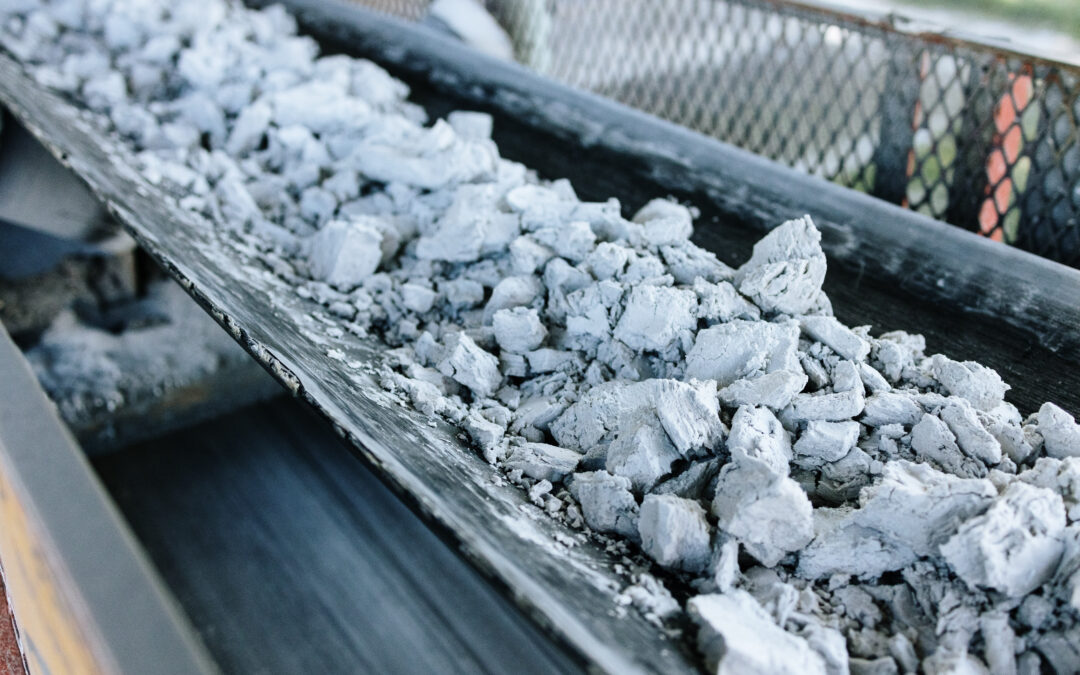
In the ongoing quest for healthier soil and more productive farming, one naturally occurring mineral has proven to be a quiet hero: gypsum. Composed of calcium sulfate dihydrate, gypsum has long been recognised for its valuable properties in both commercial agriculture and small-scale farming operations. But what exactly makes it so important?
A Natural Soil Conditioner
One of gypsum’s most valuable contributions to agriculture lies in its ability to improve soil structure. In clay-heavy soils, gypsum helps break up compacted soil, enhancing aeration and water infiltration. This is especially beneficial in regions with low rainfall or where irrigation is limited, as improved water movement means crops make better use of the moisture available.
Calcium and Sulfur for Plant Health
Gypsum is a rich source of calcium and sulfur, two essential nutrients for plant growth.
-
Calcium plays a critical role in the structural development of cell walls and root systems.
-
Sulfur is vital for the formation of amino acids, proteins, and enzymes.
Unlike lime, which also provides calcium, gypsum does not significantly alter soil pH, making it ideal for use in soils where maintaining a specific pH balance is crucial.
Reclaiming Sodic Soils
In areas where sodic soils (high in sodium) are a challenge, gypsum plays a key role in soil remediation. By replacing sodium ions with calcium ions, gypsum helps restore soil structure, reduce crusting, and improve root penetration. This process makes the land more arable and productive over time.
Enhancing Fertiliser Efficiency
By improving the soil’s physical properties, gypsum also contributes to the efficiency of other fertilisers. Better soil structure allows nutrients to reach plant roots more effectively, reducing runoff and nutrient leaching—especially important in sustainable farming practices.
Environmentally Friendly and Abundant
Gypsum is safe, non-toxic, and naturally abundant. When sourced and applied correctly, it offers an environmentally responsible way to enhance soil health and crop productivity without the long-term environmental impacts of some synthetic soil additives.
Conclusion
Gypsum might not be the most talked-about agricultural input, but its impact is significant. From improving soil structure and nutrient availability to reclaiming sodic land, this versatile mineral plays a vital role in sustainable, high-yield farming. As the agricultural sector faces growing demands for productivity and environmental responsibility, gypsum remains a reliable and effective ally in the field.
Let me know if you’d like a shorter version for social media or an infographic to go with it.