
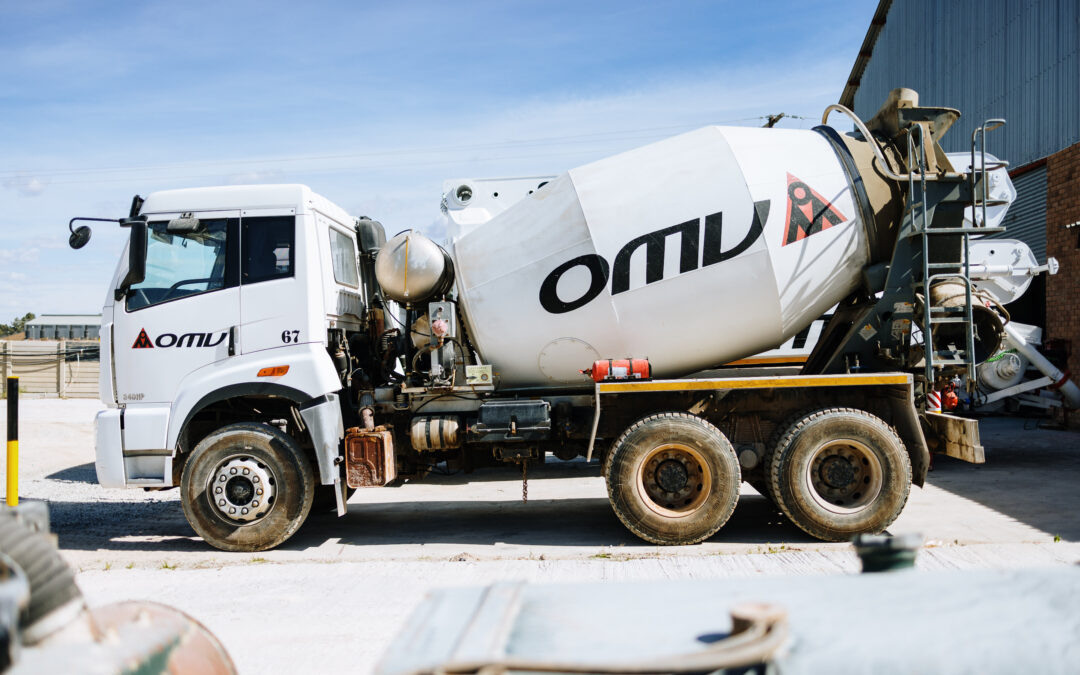
As one of the most widely used construction materials in the world, readymix concrete plays a central role in shaping our cities, infrastructure, and homes. However, with its widespread use comes an equally significant environmental footprint. Understanding the environmental impact of readymix concrete production is essential as the construction industry moves towards more sustainable and responsible practices.
Carbon Emissions and Cement Production
A major contributor to the environmental impact of readymix concrete is the cement used in its mix. Cement production is energy-intensive and accounts for approximately 8% of global CO₂ emissions. This is primarily due to the calcination process, where limestone is heated to produce clinker—releasing large amounts of carbon dioxide in the process.
Efforts to reduce this footprint include:
-
Using alternative fuels and energy sources in kilns
-
Replacing clinker with supplementary cementitious materials like fly ash or slag
-
Investing in carbon capture technologies
Water Use and Wastewater Management
Water is a key component in concrete production, but excessive water use and improper wastewater handling can pose environmental risks. Runoff from washing mixers and equipment may carry cement particles and other contaminants into nearby water systems, harming aquatic ecosystems.
Best practices include:
-
Recycling process water
-
Treating wastewater before discharge
-
Minimising water usage through precise mix design
Aggregates and Resource Depletion
The sand and stone used in readymix concrete are natural resources that, when overextracted, can lead to habitat destruction, soil erosion, and depletion of river systems. Responsible sourcing and the use of recycled aggregates can significantly mitigate these impacts.
Dust, Noise, and Air Pollution
Concrete batching plants can produce dust and noise pollution, especially in urban or residential areas. Airborne particles, including silica dust, can affect both environmental and human health. To address this:
-
Dust suppression systems are installed
-
Enclosed conveyors and silos are used
-
Noise is managed through site planning and operational controls
Transport Emissions
Because readymix concrete has a limited window before setting, it must be delivered quickly—often resulting in increased road traffic and fuel consumption. This adds to the overall carbon footprint of each cubic metre produced.
Improvements include:
-
Route optimisation for delivery trucks
-
Transitioning to low-emission vehicles
-
Locating batching plants closer to major construction hubs
Conclusion
Readymix concrete is essential to modern construction, but its production does pose several environmental challenges. The industry is actively working towards more sustainable practices—from reducing cement-related emissions to improving water and resource efficiency. As demand for greener building solutions grows, innovation and accountability in the concrete sector will be key to building a more sustainable future.